 Newell's Old Boys Hub
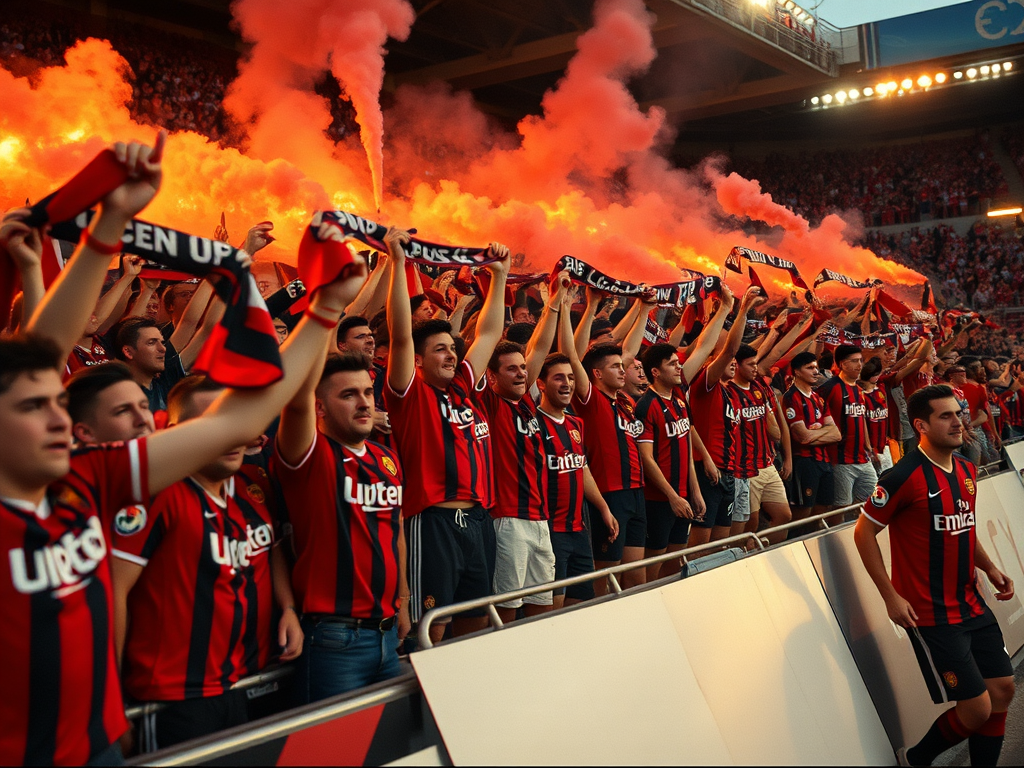
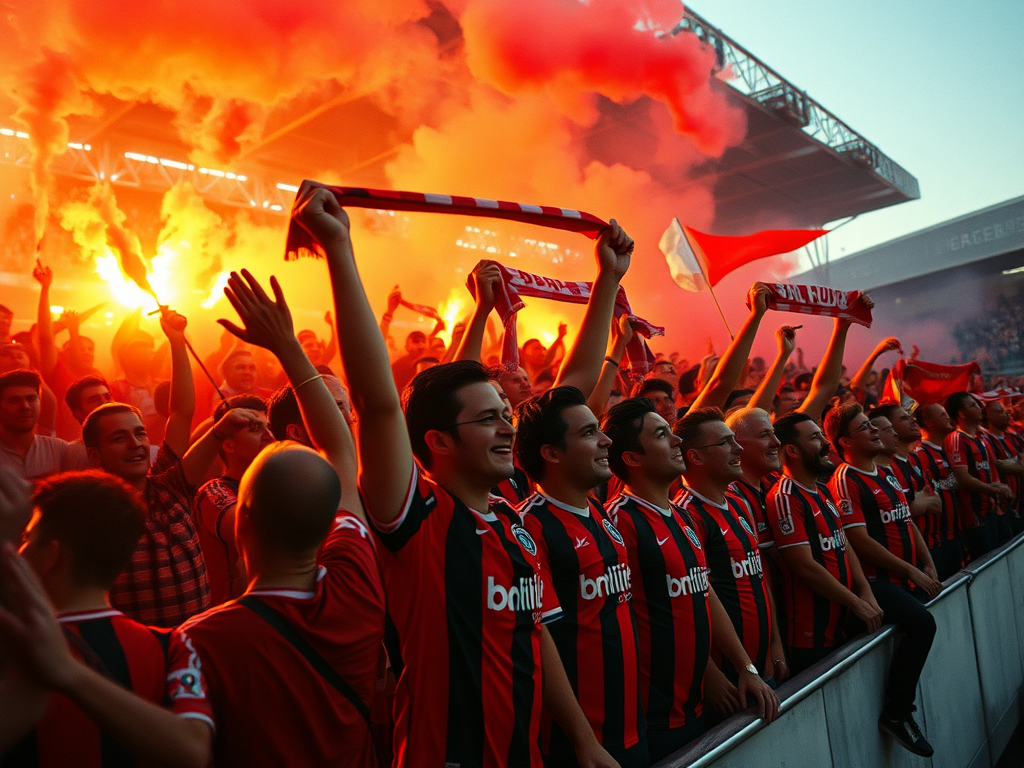
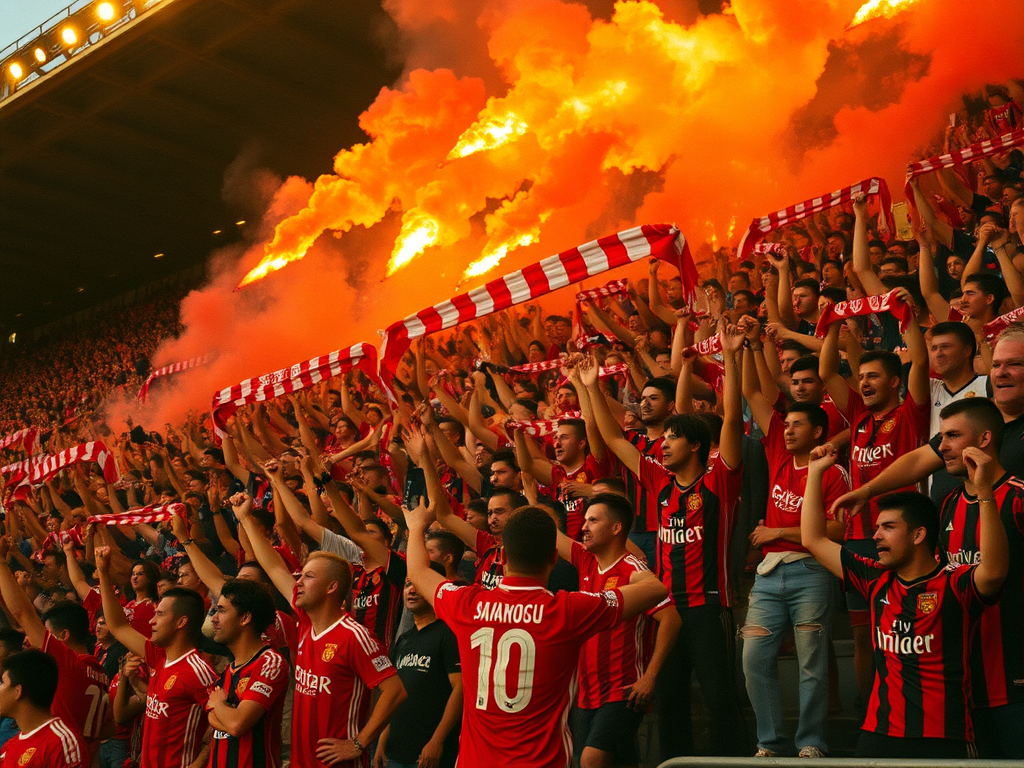
In the heart of Rosario, Estadio Marcelo Bielsa transforms into a cauldron of emotions every time La Lepra takes to the pitch. The atmosphere begins to thrum hours before the match, with fans gathering around the stadium. Families, friends, and new generations unite in a ritual that transcends the mere act of watching football. The passion is palpable, and the air fills with chants and flags waving proudly.
One of the most anticipated moments is the famous "third half," where fans come together to share anecdotes and memories, strengthening bonds amid the football fervor. This gathering not only celebrates the love for La Lepra but also serves as a space for connection between those who have experienced past glories and the youth learning about the club's rich history. Stories of victories and rivalries are exchanged, creating a sense of belonging that resonates with every supporter.
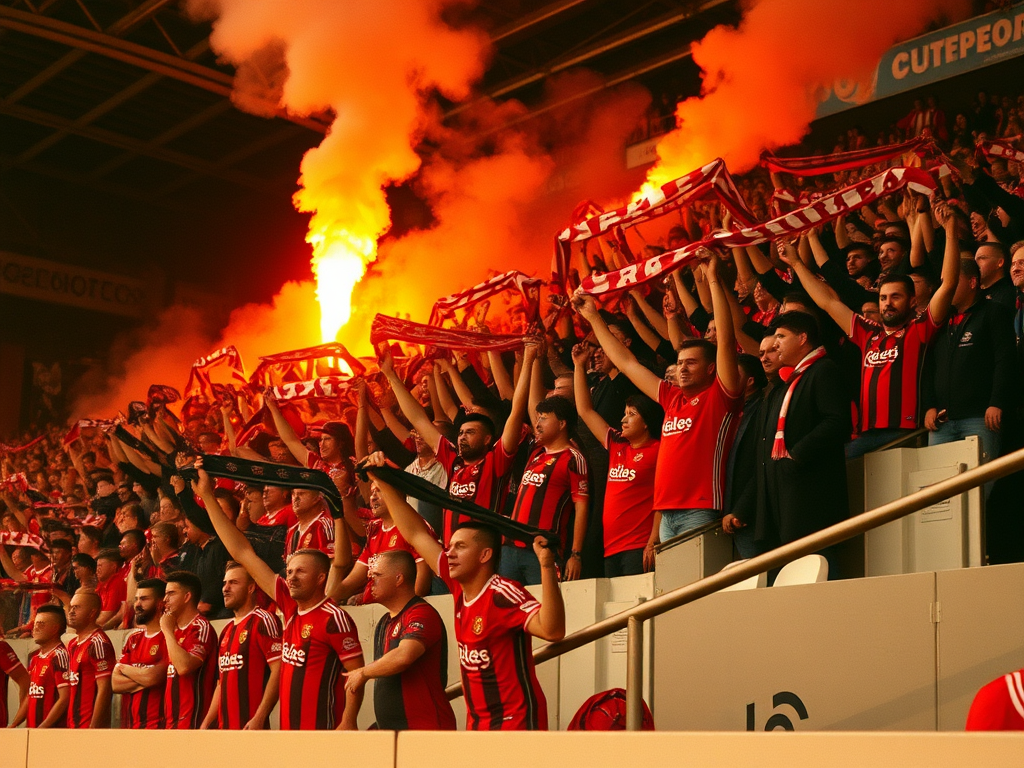
As the kick-off approaches, the atmosphere becomes electric. The streets surrounding the stadium are filled with red and black colors, and the sound of drums and trumpets echoes in the distance. Fans don their La Lepra jerseys, while the most fervent paint their faces and carry oversized flags, ready to cheer on their team. This display of colors and sounds is not just a visual spectacle; it is a manifestation of identity and pride.
Inside the stadium, the tradition of chanting becomes the soul of the experience. Each song tells a story, and every fan becomes a storyteller, uniting their voices in a chorus of solidarity. The famous chant "Soy de Newell's" resonates powerfully, reminding everyone that this club is more than a team; it is a community that shares a history rich in passion and struggle.
During the match, fans not only support their team, but also play an essential role in creating a hostile atmosphere for the rival. The famous "Codo a Codo" is a ritual within the stadium where fans group together and move as one, creating an unbreakable wall of support. This type of unity is fundamental in matches against Rosario Central, where the atmosphere transforms into a true emotional battlefield.
At the end of the match, regardless of the outcome, fans remain in the stadium, sharing their passion and analyzing the team's performance. This ritual of staying together after the final whistle reinforces the idea that love for La Lepra is not limited to victory; it is a long-term commitment to the identity of the club and its community.
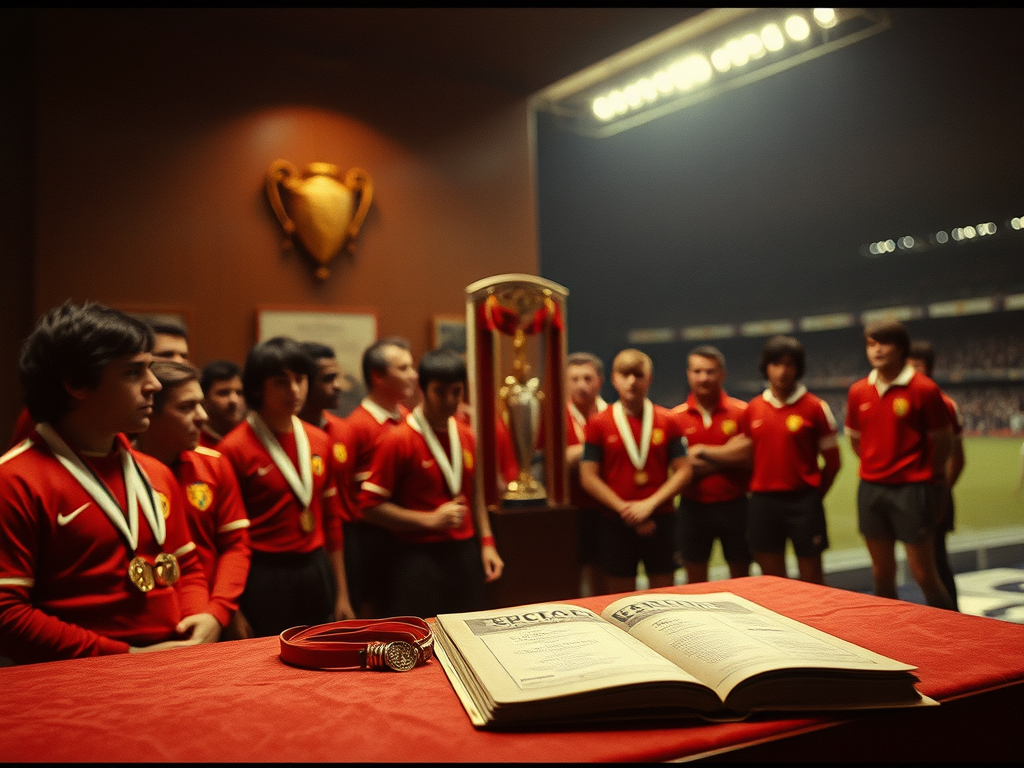
Thus, the folklore of the Newell's Old Boys supporters becomes a legacy passed down from generation to generation. Each match is a new opportunity to reaffirm unity, history, and love for a club that goes beyond the confines of the pitch. The culture of La Lepra not only celebrates football; it celebrates life itself in Rosario, where every fan is part of a large family that never stops dreaming.