 Newell's Old Boys Hub
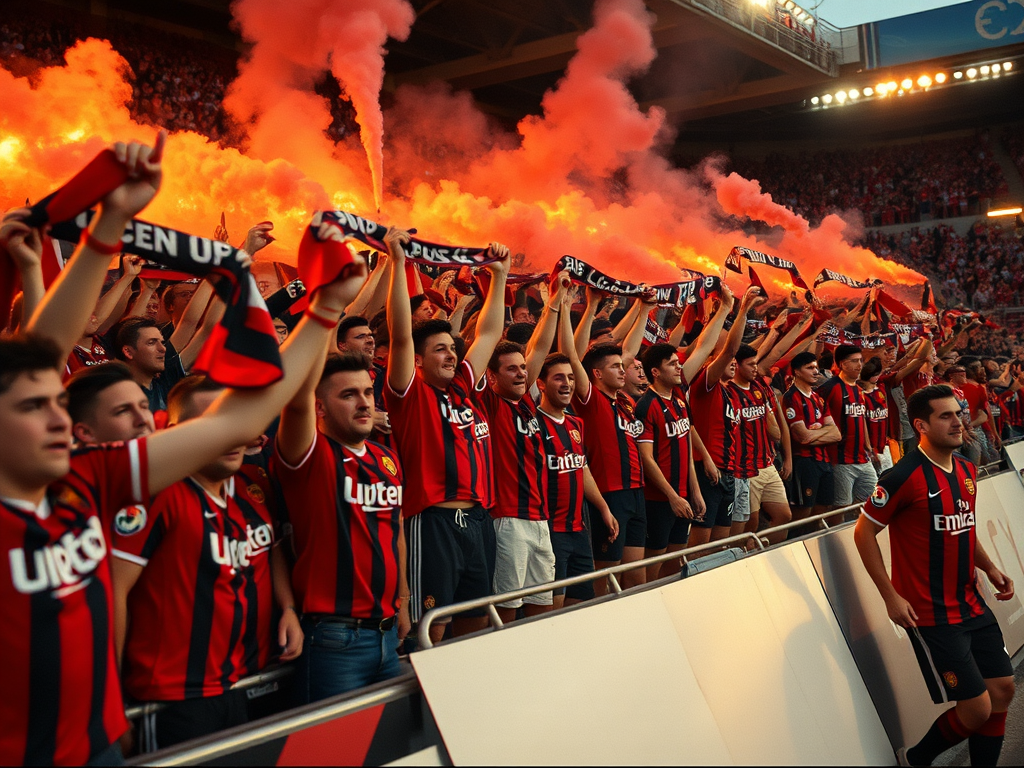
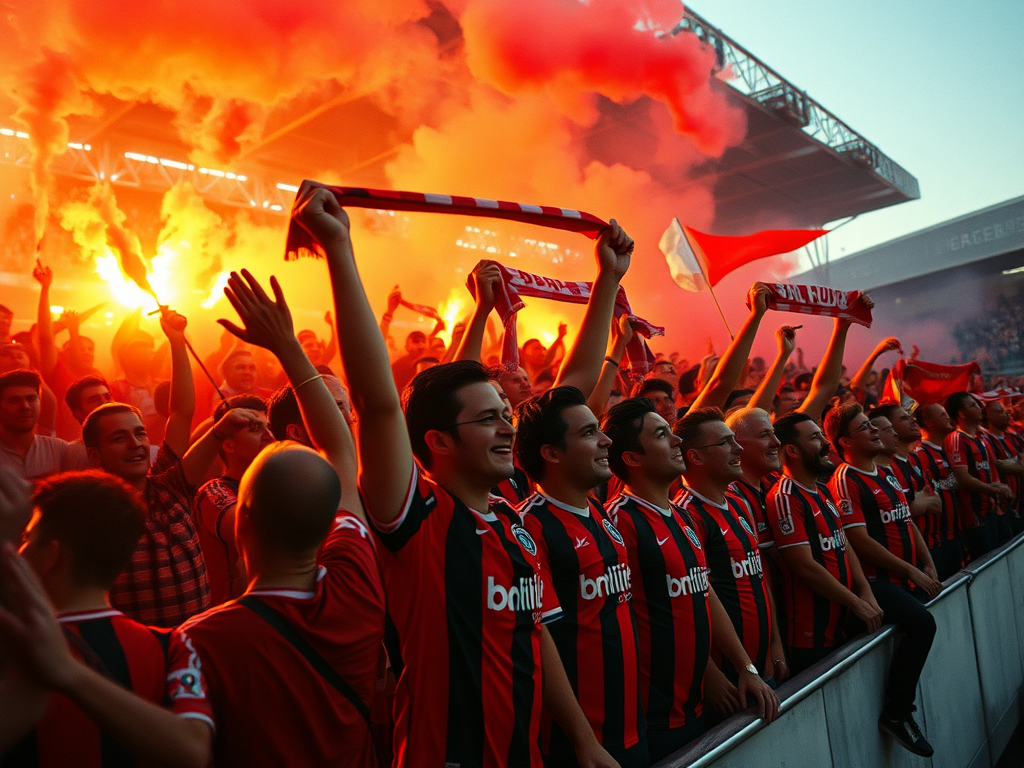
The supporters of Newell's Old Boys, known as La Lepra, are distinguished not only by their fervor in supporting the team but also by the traditions and rituals that surround them. Every time the team takes the field at the Estadio Marcelo Bielsa, fans unite in a symphony of chants and flags that transforms the atmosphere.
One of the most emblematic rituals is the famous 'dancer' who can be found in the popular stand. This character, dressed in red and black, is an iconic figure who encourages fans to join in the celebration, creating a festive atmosphere that infects everyone present. The energy is palpable, and each movement of the dancer evokes a wave of enthusiasm in the stands.
The lead-up to a derby against Rosario Central is a spectacle in itself. The streets of Rosario are painted red and black as fans gather in peñas and bars to share meals, anecdotes, and predictions. The rivalry is felt not just on the field but lived in every corner of the city, where residents prepare for what is more than just a match: it is a cultural war.
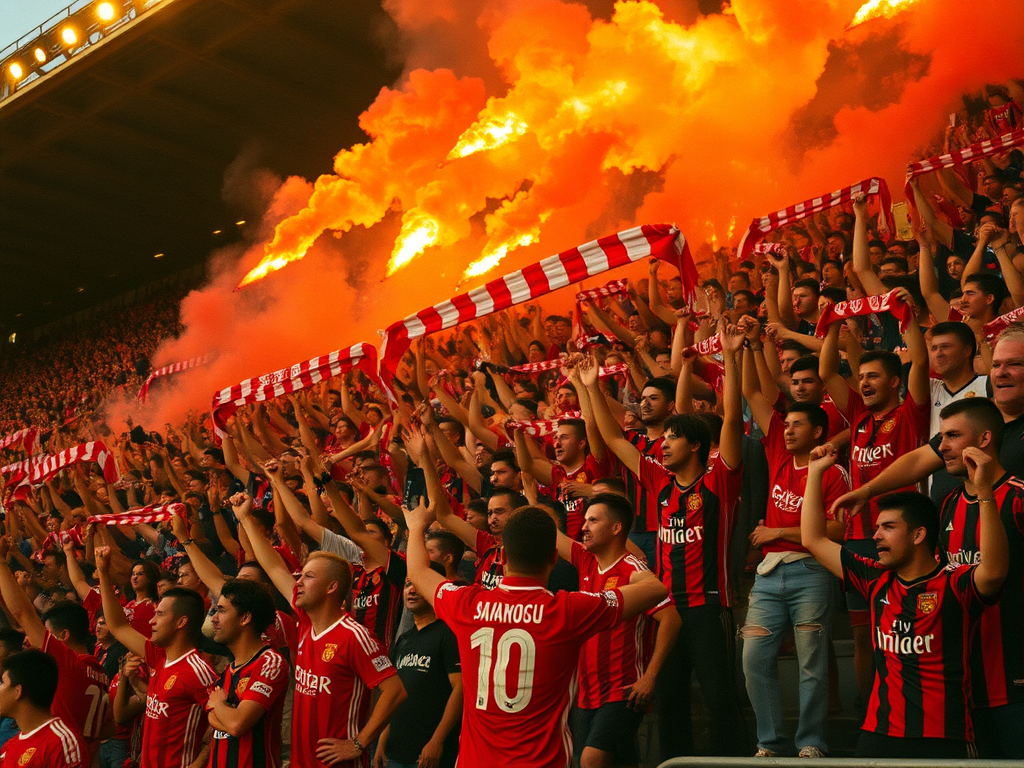
On match day, the Estadio Marcelo Bielsa becomes a true temple. From hours before, fans begin to arrive, each contributing their part to the spectacle. Flags wave, chants resonate, and the sound of drums and trumpets blend into a melody that makes the air vibrate. In this collective ritual, one feels the unity of a community that breathes football, living and feeling each play as if it were part of their own story.
When it comes time to sing the anthem, the stadium fills with emotion. The eyes of the fans shine, and hearts beat in unison. This moment is sacred; it is when all present become one, merging their hopes and dreams into every step the team takes on the field.
After the referee's whistle blows, the atmosphere electrifies. The chants intensify, and the stadium transforms into a sea of red and black. La Lepra not only supports their team but also exerts pressure on the rival, turning the experience of a match into an emotional battle where every goal is celebrated as a personal victory.
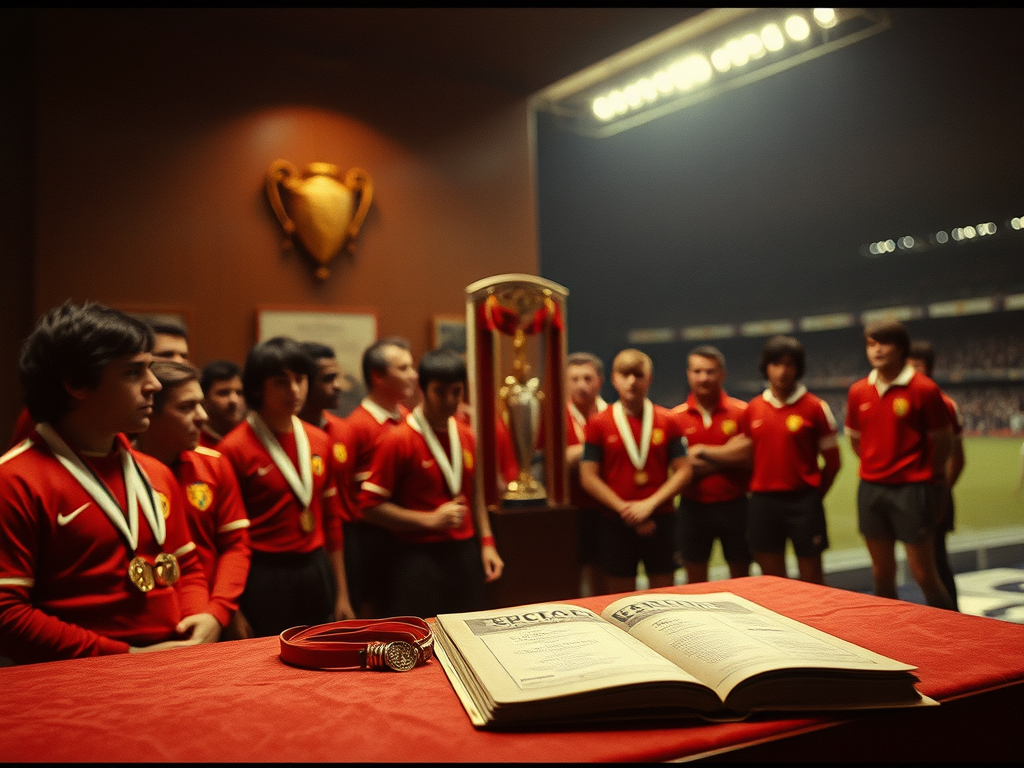
Every match at the Estadio Marcelo Bielsa is a celebration of La Lepra's identity, a manifestation of the passion that unites its supporters. The culture of the fans goes beyond football; it is a way of life, a legacy passed down through generations, reaffirmed every time the referee's whistle marks the start of another chapter in the history of Newell's Old Boys.