 Newell's Old Boys Hub
In the annals of Argentine football, few seasons resonate as deeply as that of 1992 for Newell's Old Boys. Under the astute management of Marcelo Bielsa, the club not only solidified its status in the top tier but also marked a turning point in its competitive spirit. This season, characterized by tactical innovation and an unwavering resolve, laid the foundations for the glory that Newell's would achieve in subsequent years.
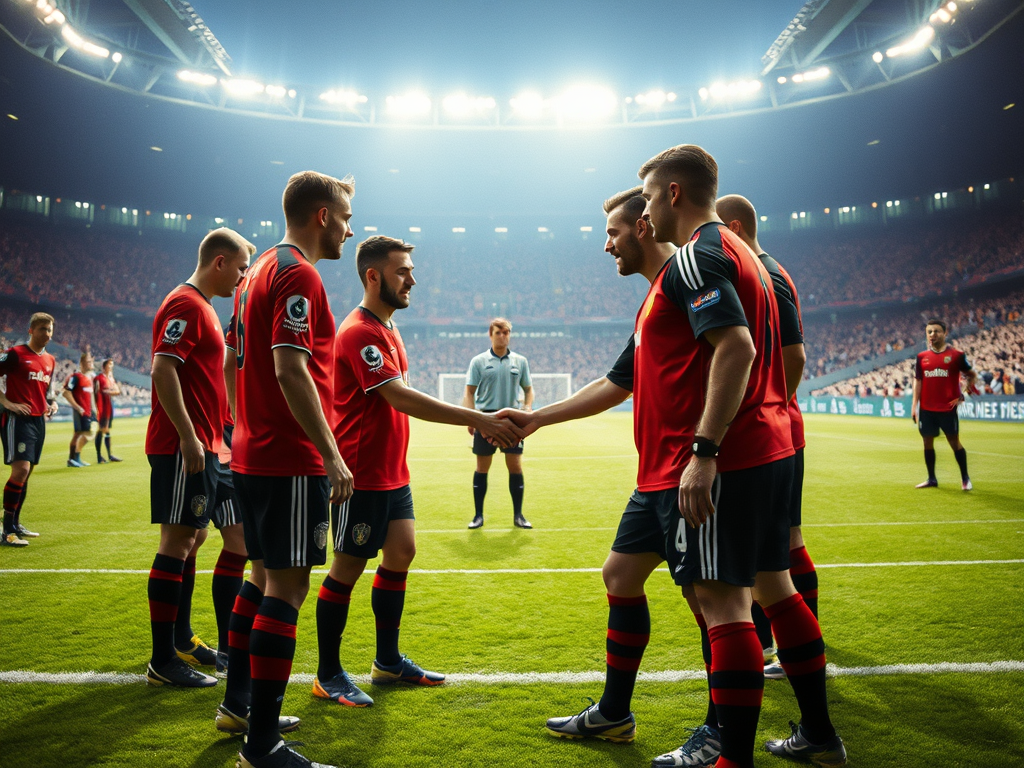
The Liga Profesional Argentina was a fiercely contested battleground, and Newell's showcased a brand of football that was both entertaining and effective. Bielsa's tactical acumen transformed the squad into a cohesive unit, emphasizing pressing and quick transitions that caught opponents off guard. This approach was exemplified in their matches against arch-rivals Rosario Central, where the intensity of the derby was matched by the tactical discipline instilled by Bielsa.
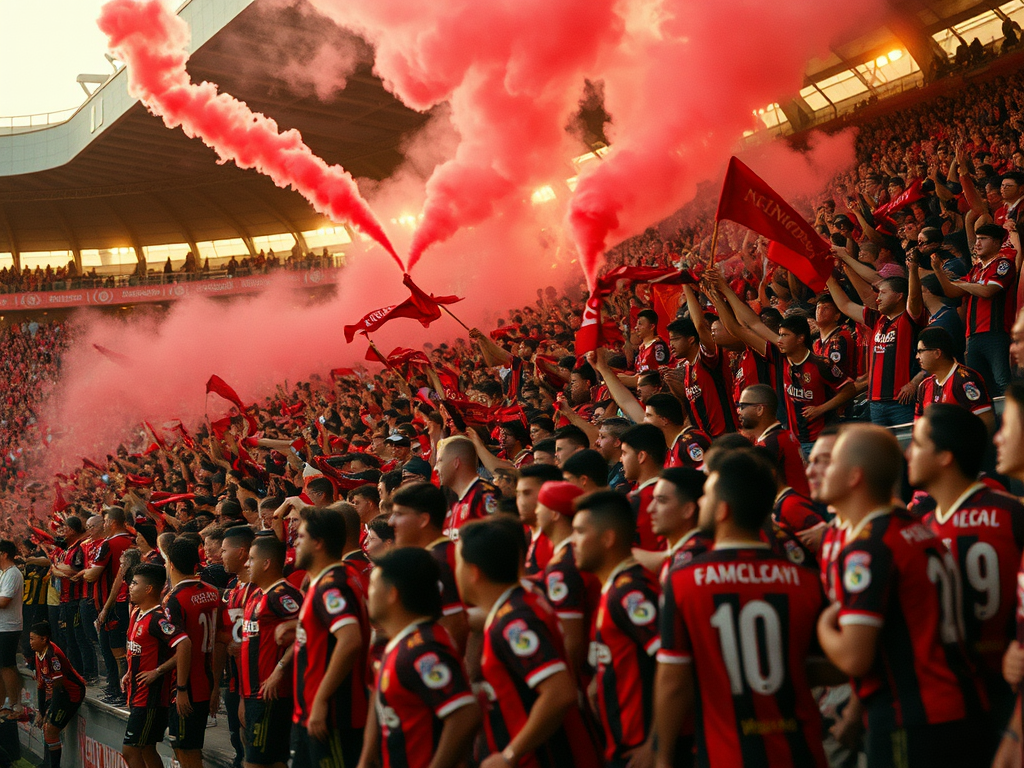
Central to Newell's success was a generation of players who would become club legends. The likes of Omar Bravo and Roberto Sensini were pivotal, bringing both skill and leadership to the pitch. They embodied the fighting spirit of La Lepra, and their performances resonated with the fans who filled the Estadio Marcelo Bielsa week in and week out. The electric atmosphere at home games became a fortress, where the support from the stands bolstered the players' confidence and determination.
One of the season's defining moments came during a thrilling encounter against a strong Vélez Sarsfield side. In what was a classic display of resilience, Newell's fought back from a goal down to secure a vital victory, showcasing the mental fortitude that Bielsa had instilled in his squad. This match not only solidified their position in the league but also amplified their belief that they could compete with the best.
As the season progressed, Newell's continued to gain momentum. They played with a flair that was reminiscent of the great Argentine teams of the past, with an emphasis on attacking football that thrilled fans and left opponents struggling to keep up. This commitment to an attractive style of play drew crowds and attention, as the club began to establish itself as a force in Argentine football.
The culmination of the 1992 season was not just about league standings or points but a reaffirmation of Newell's Old Boys' identity. It was a season that showcased the potential of a club that had experienced its share of ups and downs. The passion of the fans, combined with the tactical brilliance of Bielsa and the skill of the players, created a narrative that would be remembered for decades.
In retrospect, the 1992 season was more than just a successful campaign; it was a rebirth for Newell's Old Boys. It marked the beginning of a new era that would see the club challenge for titles and become a staple in discussions about the elite teams in Argentina. For La Lepra and its legion of supporters, this season remains a cherished memory, a testament to what can be achieved with vision, unity, and a love for the beautiful game.