 Newell's Old Boys Hub
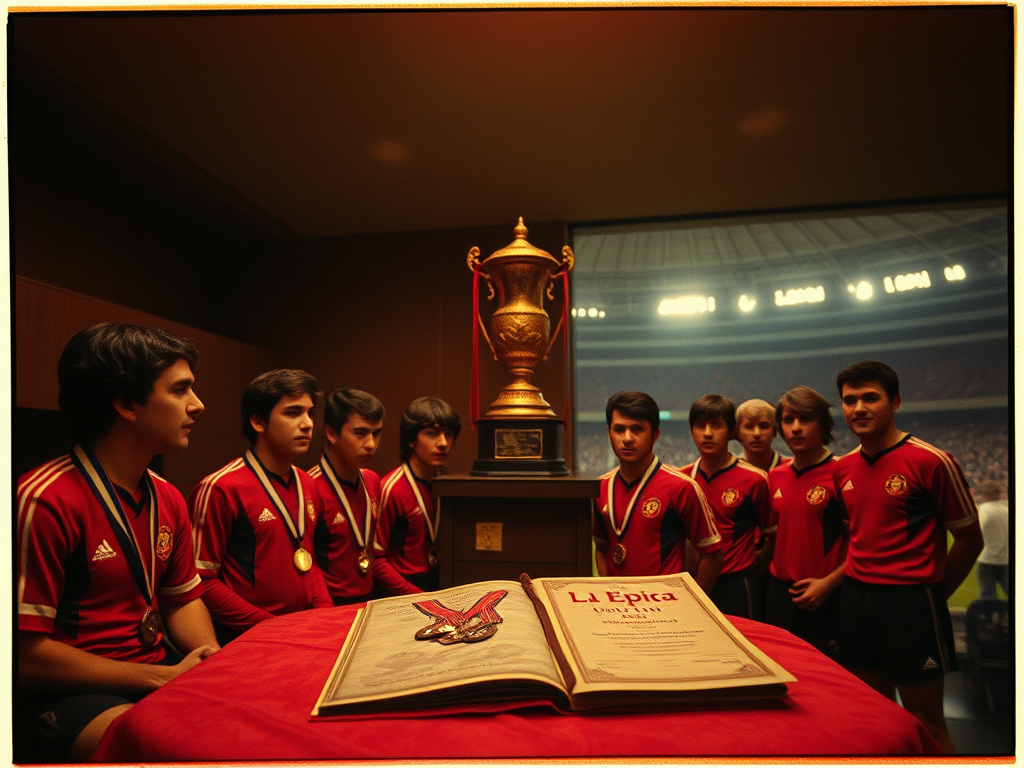
In the rich history of Newell's Old Boys, one year resonates not just for the victories on the pitch but for the indelible mark it left on the club's identity: 1974. This season was pivotal for La Lepra, showcasing a blend of emerging talent and established players that would define the club's ethos for years to come.
The year began with palpable optimism as the club had just secured its first league title in 1968 and was eager to build on that success. Under the stewardship of coach Juan Carlos Montes, Newell's Old Boys adopted a playing style that prioritized attacking football, turning the Estadio Marcelo Bielsa into a fortress for visiting teams. This approach not only thrilled fans but also attracted attention across Argentina, as La Lepra began to emerge as a formidable force in Argentine football.
One of the standout moments of the season was the emergence of young talents like the influential midfielder Gabriel Batistuta, who would go on to become one of the club’s legends. Batistuta’s creativity and vision on the field captivated fans, and his partnership with established stars like Roberto Sensini and the tenacious forward Juan Carlos Bianchi created an electrifying attacking dynamic. Together, they not only secured crucial wins but also developed a style of play that was both beautiful and effective.
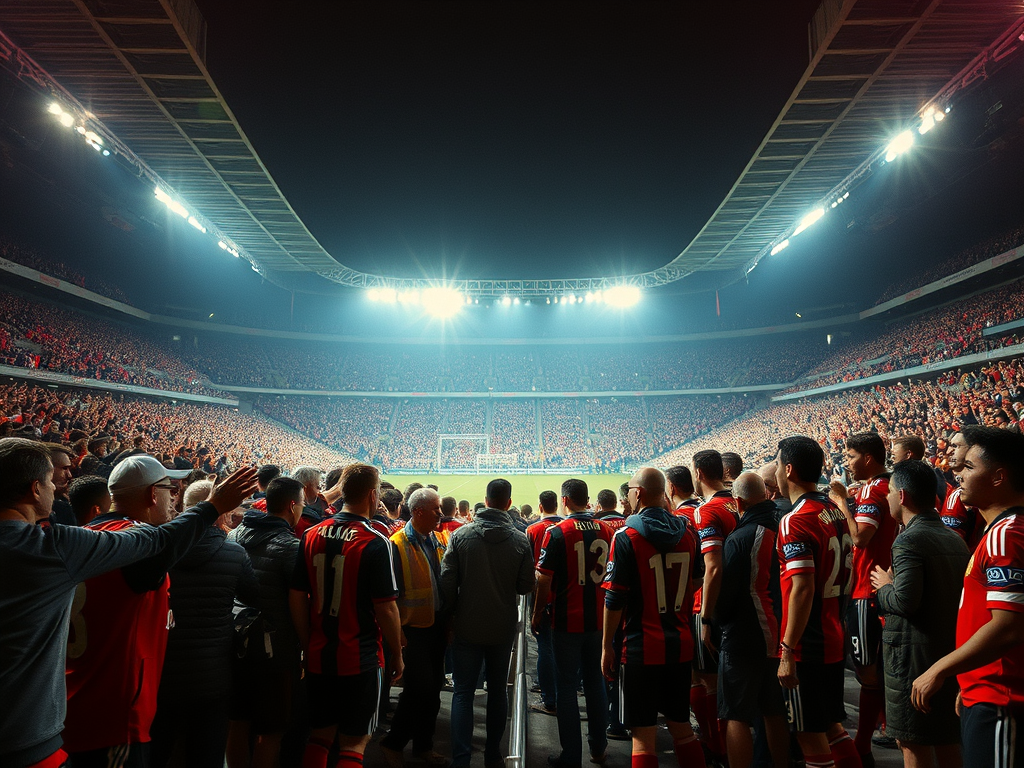
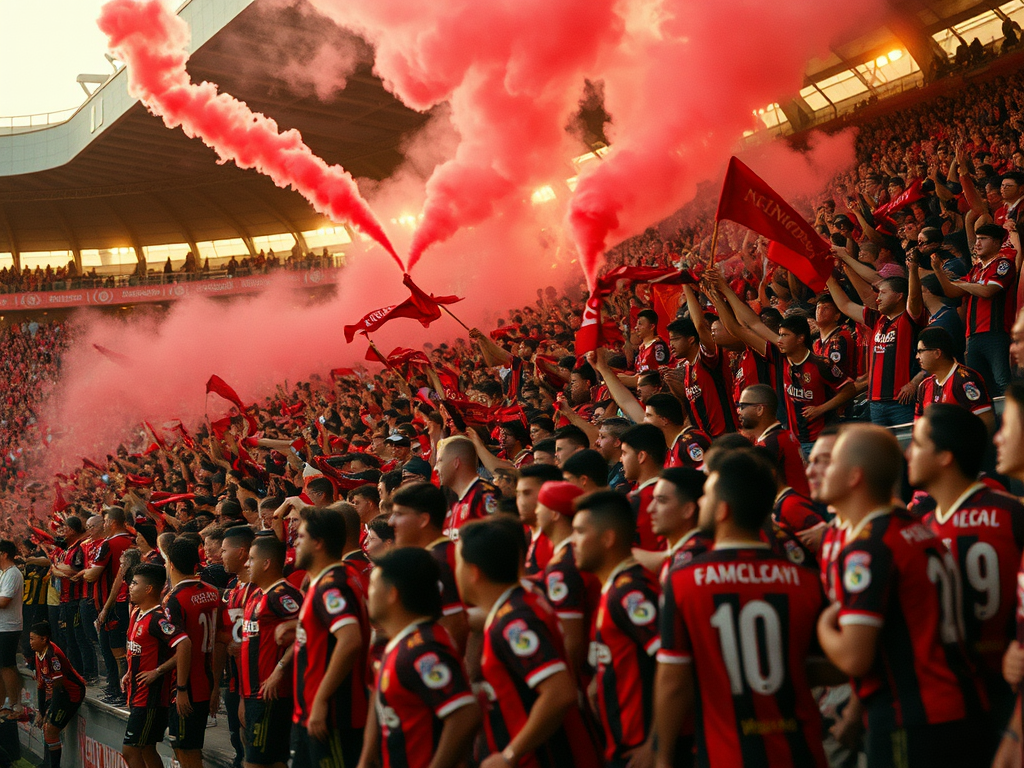
The bond between the players and the fans deepened significantly during this time. The supporters of Newell's Old Boys, known for their passion and loyalty, filled the stands week after week, creating an atmosphere that was both intimidating for opponents and uplifting for their own team. The famous chant ‘¡Vamos, Leprosos!’ echoed throughout the stadium, becoming an anthem of unity between the players and the fans.
The rivalry with Rosario Central, known as the Clásico Rosarino, reached new heights during the 1974 season. The anticipation surrounding these matches was tangible, with the entire city of Rosario caught up in the fervor. Newell's Old Boys showcased their determination in these clashes, delivering memorable performances that further solidified their reputation and intensified the rivalry. Each victory brought a sense of pride, and the defeats only served to strengthen the resolve of both the players and supporters alike.
The culmination of the season was not without its challenges, as La Lepra faced strong competition from other clubs in the league. However, the resilience displayed by the team, combined with the unwavering support of their fans, allowed Newell's Old Boys to navigate through tough matches, ultimately emerging as one of the top teams in Argentina by season's end.
1974 was not just about the trophies; it was about the growth of a club that was willing to embrace its identity. The nickname 'La Lepra' became synonymous with pride, grit, and an unyielding spirit. The experiences of this season laid the groundwork for future generations, embedding a sense of legacy within the club that continues to inspire players and fans alike.
As we reflect on that pivotal year, it is clear that 1974 was more than just a chapter in Newell's Old Boys' history; it was a defining moment that shaped the identity of La Lepra and fortified the club’s connection to its passionate supporters.