 Newell's Old Boys Hub
Three. That's how many different formations Newell's Old Boys have successfully employed this season. This tactical flexibility has been a key factor in securing valuable points in the League. Coach Gerardo Martino has emphasized versatility in training sessions, enabling players to adapt quickly to varying match situations and opponent styles.
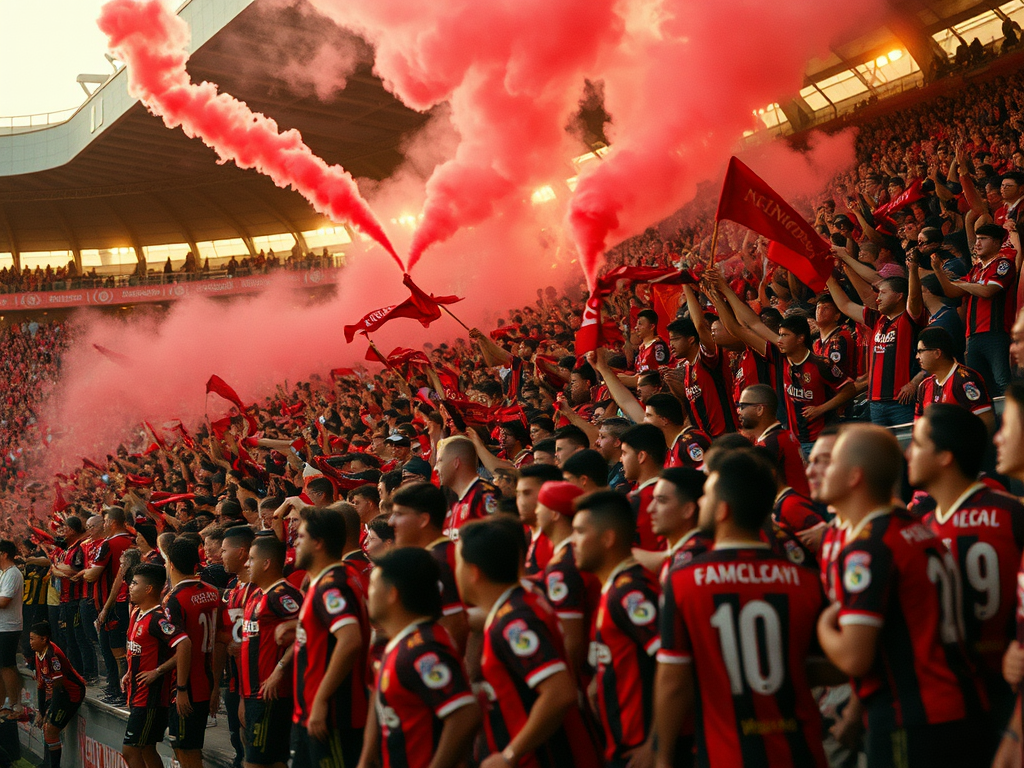
In their latest match against Unión, the team lined up in a 4-3-3 formation, allowing for an aggressive pressing game while maintaining a compact defensive structure. The choice to bring in M. Cóccaro to support the front line proved instrumental. His pace created space for fellow attackers, and he made several key contributions throughout the match. The ambience at the Estadio Marcelo Bielsa was one of anticipation as fans watched their team control the game with fluid passing and sharp movement.
Another standout aspect of Newell's Old Boys' tactics is the dual-role played by the midfielders. Players like Valentino Acuña and M. Esponda are crucial in both defending and initiating attacks. Their ability to retain possession under pressure and quickly transition to offensive plays exemplifies the club's modern approach. In essence, they are both the first line of defense and the starting point for counterattacks, a binary role well-executed by the dynamic midfield duo.
As the season progresses, the ability to adjust formations will be increasingly vital. Whether facing a defensive setup like that of Rosario Central or a more attacking side, Newell's Old Boys has proven capable of changing their approach. Can they continue to adapt and surprise opponents as the stakes grow higher? That remains to be seen, but their current form suggests they are on the right path to contend for a strong finish this season.