 Newell's Old Boys Hub
The tactical changes at Newell's Old Boys this season reflect a desire for innovation. The current management has implemented a system that prioritizes possession and high pressing. This approach has allowed players like Valentino Andres Acuña and M. Esponda to express themselves freely on the pitch, generating more goal opportunities.
A notable aspect of the tactical evolution has been the adaptation to play in tight spaces. With effective pressing, Newell's Old Boys has managed to recover the ball quickly, launching attacks with speed. In recent matches, their approach has been crucial, especially in tough encounters like the one against traditional rivals Rosario Central. The way they transitioned from defense to attack displayed a clarity and fluidity that surprised spectators.
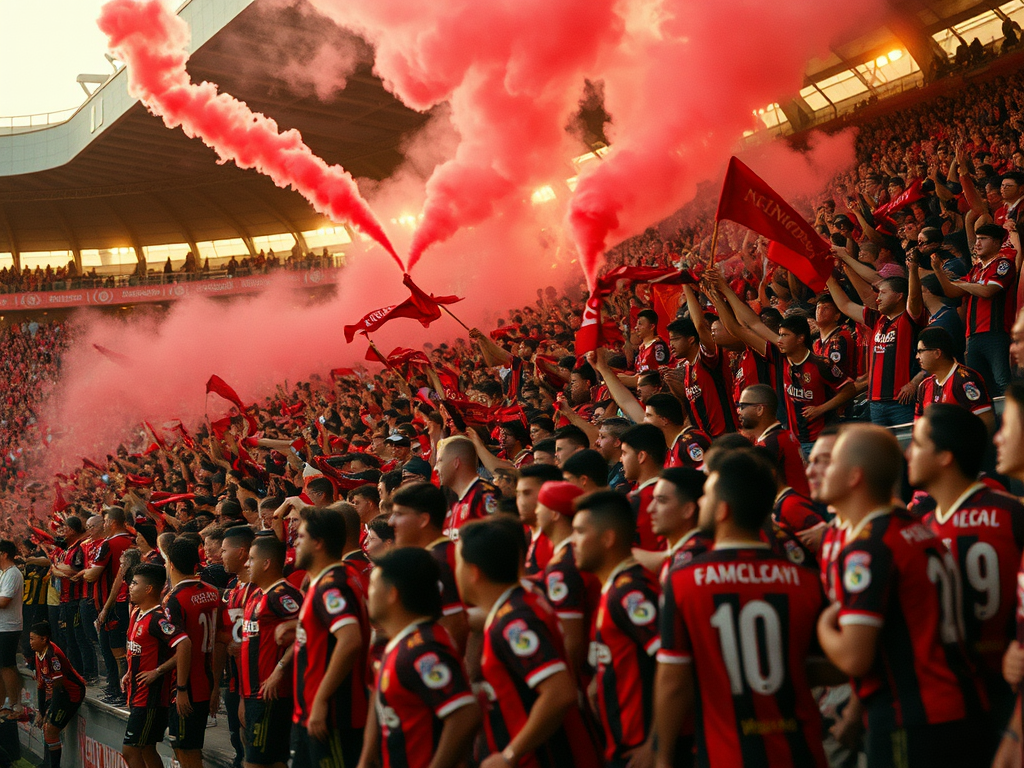
It's not just the players benefiting; fans have also enjoyed a more entertaining style of football. The atmosphere in the stadium has been festive, with supporters buzzing to the rhythm of the dynamic game their team provides. Fans have returned to Estadio Marcelo Bielsa, excited, looking forward to thrilling weekends.
However, it hasn't been all perfect. The tactical transition can lead to adjustments, and some critics point out that the defense needs fine-tuning. But in my experience as a Newell's Old Boys journalist, I have seen how the team has shown the ability to adapt. The keys to their success lie in the blend of a united team and a clear tactical direction that constantly seeks improvement. This season, Newell's Old Boys is leaving a significant mark on Argentine football that promises to continue growing.