 Newell's Old Boys Hub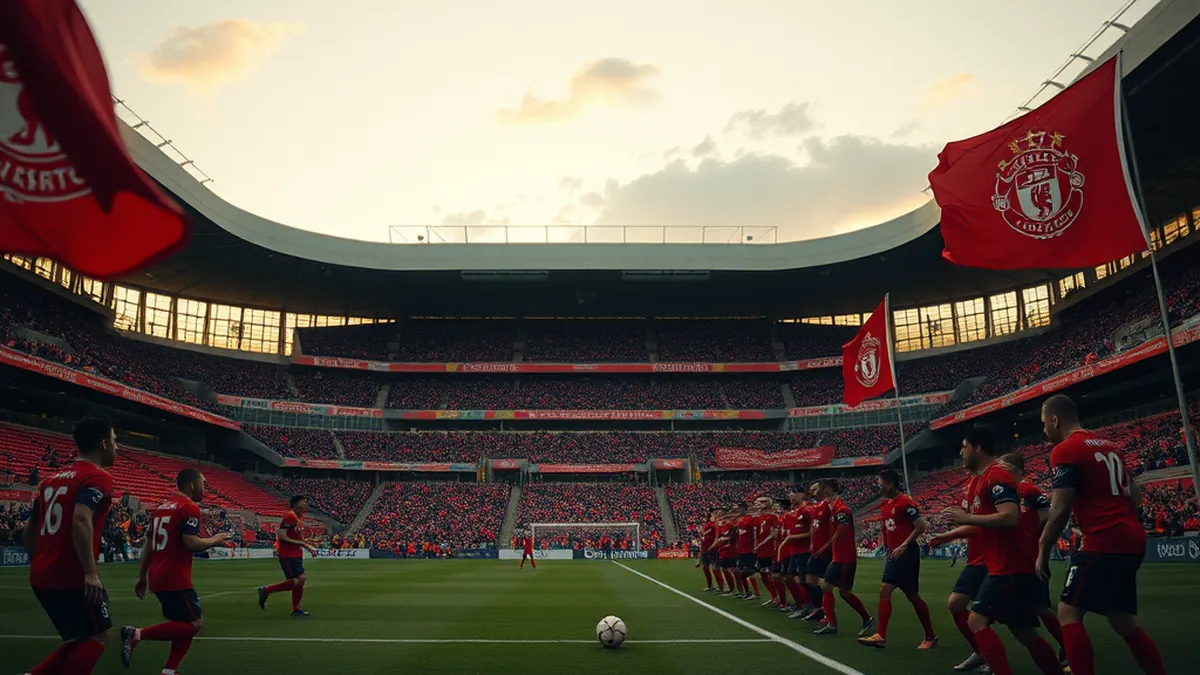
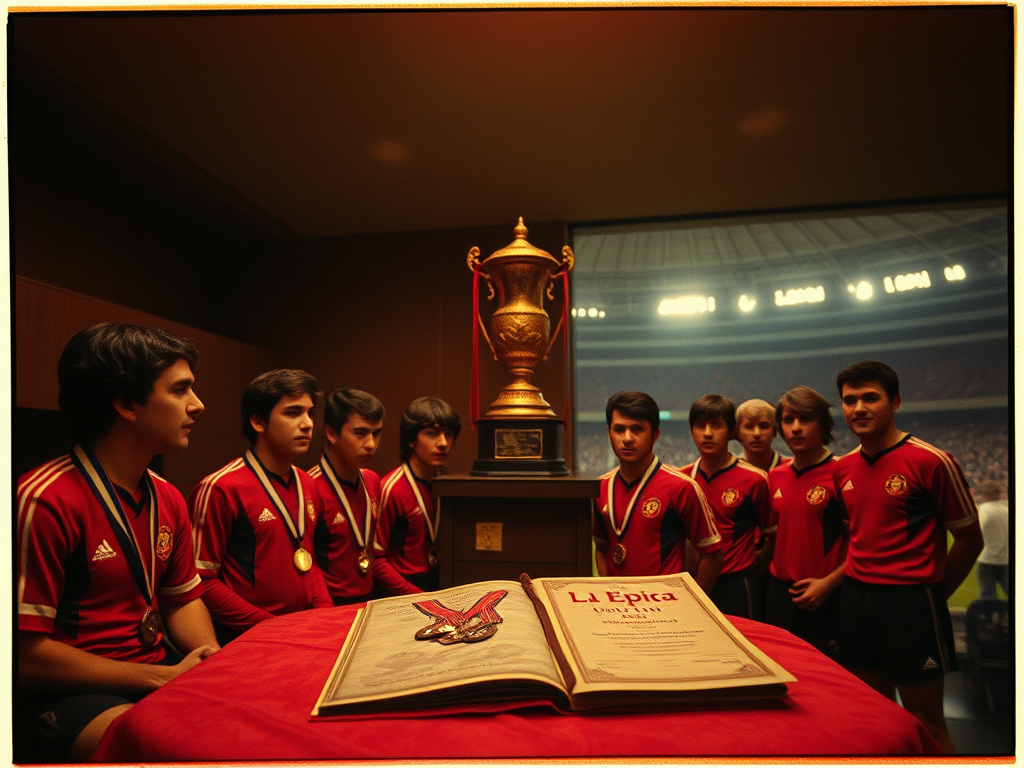
In the heart of Rosario, the passion for football transcends mere competition, evolving into a rich tapestry of traditions and rituals that define the identity of Newell's Old Boys, affectionately known as La Lepra. The fervor of the supporters is palpable, especially during the intense derby matches against their arch-rivals, Rosario Central. These encounters are more than just a game; they are a celebration of identity, pride, and an unyielding connection to the club.
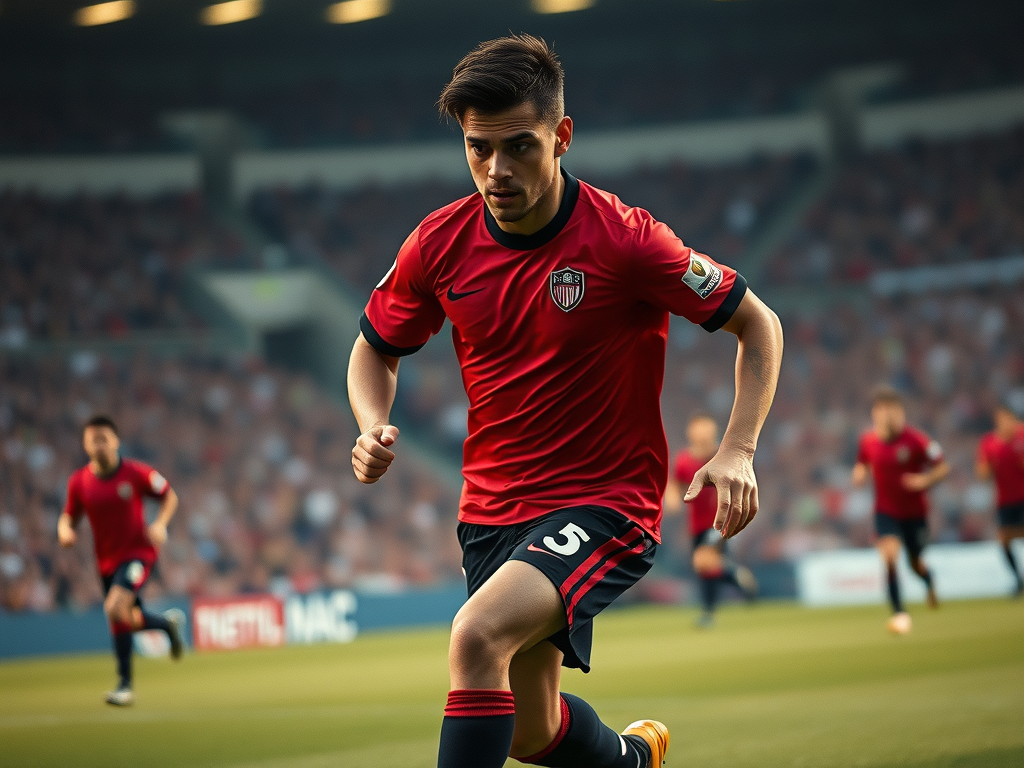
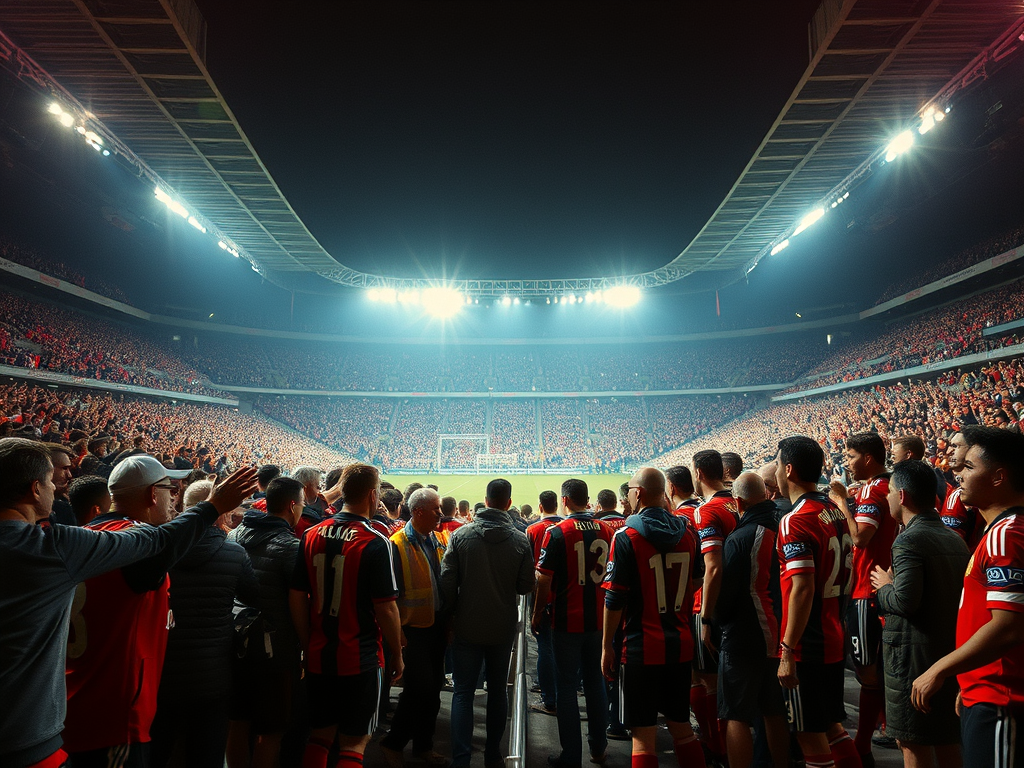
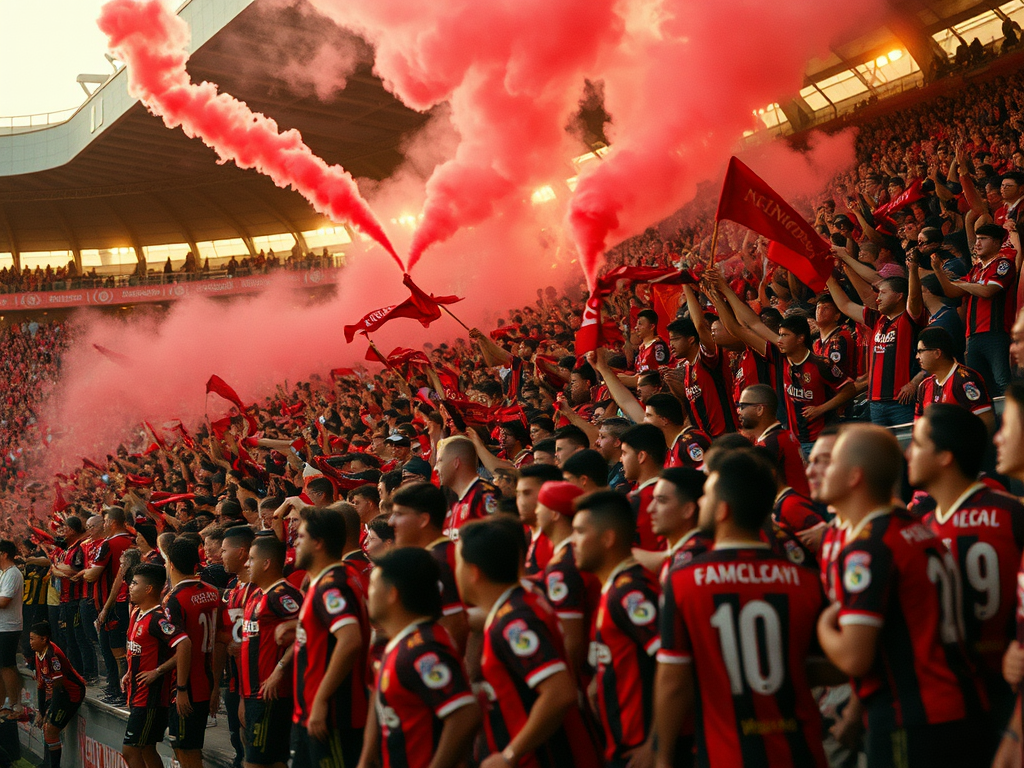
On match days, the atmosphere outside the Estadio Marcelo Bielsa transforms into a festival of colors and sounds. Fans don the iconic black and red jerseys, gathering in groups, singing anthems that have been passed down through generations. The vivid banners and flags, often handcrafted, flutter in the wind, creating a visual spectacle that sets the tone for the day. It’s not uncommon to see families arriving hours before kick-off, as the pre-match celebrations are as significant as the match itself.
The rituals of La Lepra extend beyond the stadium gates. Many supporters partake in a collective pilgrimage to the ground, chanting and drumming as they march, embodying a sense of unity that is palpable. As they approach the stadium, the anticipation builds, and the atmosphere thickens with excitement and nervous energy. Each step towards the Estadio Marcelo Bielsa signifies a journey into a sacred space, where the hopes and dreams of the fans converge with that of their beloved team.
Inside the stadium, the atmosphere reaches a fever pitch. The iconic "La Fiebre" stand is a cauldron of noise, where fans unleash their emotions through songs and chants that resonate throughout the arena. These chants often reference the club's storied history, legendary players, and, most importantly, their rivalry with Rosario Central, known as the "Clásico Rosarino." The dueling chants from both sides create an electric environment that can be both exhilarating and intimidating.
One unique aspect of Newell's Old Boys' supporter culture is the ritual of the "banderazo," a pre-match parade where fans congregate outside the stadium with flags and drums, creating a mesmerizing display of solidarity and passion. The sound of drums reverberates through the streets, drawing in even the most casual observers, who can't help but feel the excitement. This event is not just a warm-up for the match; it is a declaration of allegiance, a reminder of the deep-rooted connection between the fans and their club.
During the match, the rituals continue. Fans engage in a synchronized clapping routine, a tradition that pulsates through the crowd, creating a wave of energy that motivates the players on the pitch. The emotional highs and lows of the game are shared collectively, with each goal celebrated as if it were a personal triumph. Conversely, moments of adversity lead to collective groans and chants of encouragement, reinforcing the bond between supporters and their team.
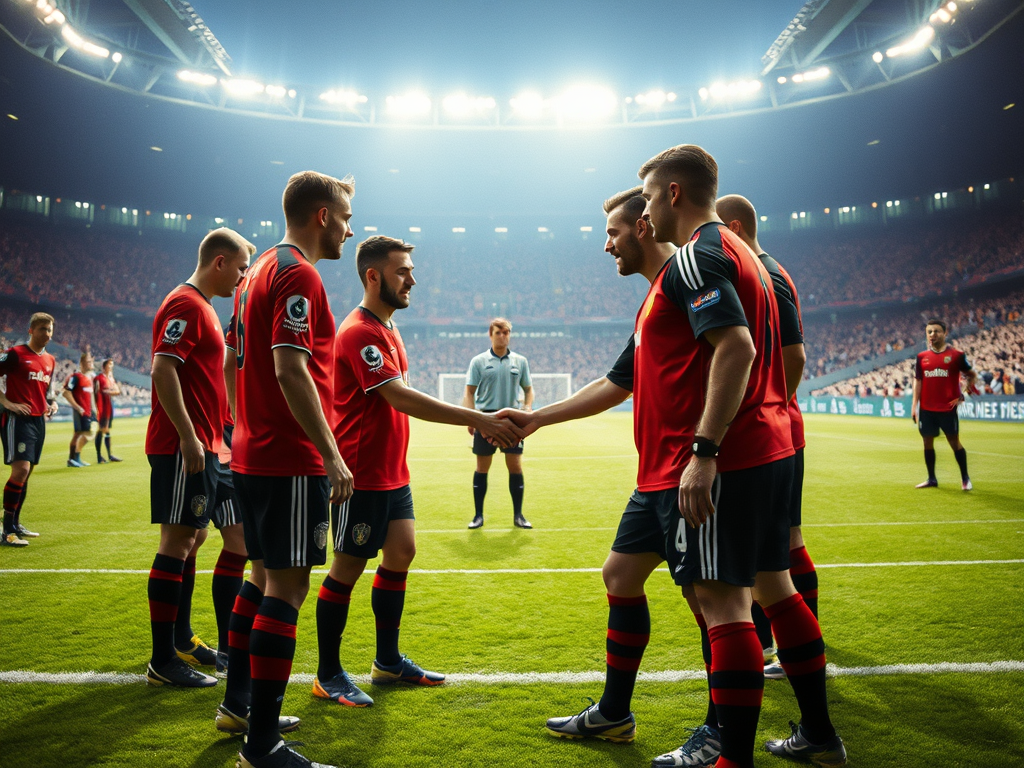
As the final whistle blows, win or lose, the camaraderie remains. Fans embrace one another, reflecting the unwavering support that characterizes La Lepra. The post-match gatherings often spill out onto the streets, where conversations about the game, players, and future matches continue late into the night.
In essence, the fan culture surrounding Newell's Old Boys is a vibrant, living tradition that encapsulates the spirit of Rosario itself. It is a testament to the power of football as more than just a sport; it is a way of life that brings together individuals from all walks of life, united by their love for La Lepra.